
Why I Switched Camera Systems
I didn’t switch systems because OM System was ‘better.’ I switched because it was the right fit for the way I shoot today.
I’ve loved Fuji for a long time – ever since I did a photography workshop back in 2014 or so in Rocky Mountain National Park (which is just about an hour away).
At that time, photography was a casual, on-and-off hobby. I was using a Canon EOS Rebel T5 DSLR and shooting mostly nature and landscapes. One of the guys on the trip was carrying his camera in a pocket – it fit in a pocket. I was enthralled. It was a Fuji mirrorless camera – I believe an XT-1.
Even at that time I didn’t like carrying what I thought was heavy gear around my neck or shoulder. I decided I was going to start taking this more seriously, and eventually wound up with a Fuji X-T3.
LOVED that camera; I improved so much with it. My kit grew slowly as I added some longer lenses. Wildlife was a new interest but I didn’t feel I had the right gear for that.
I took the X-T3 on my first trip to the Tetons in 2023. I had an unforgettable, mind-blowing encounter with 399 and her cub – my first time seeing grizzlies – that pushed me over the edge. I began to think maybe I could be a wildlife photographer, though that had seemed out of reach due to the expense of big glass and a camera with more capabilities than my current one.
In 2024 I bought an X-T5, thinking it would be a nice upgrade and move me in that direction. I really loved it, it seemed perfect – until I found that red-tailed hawk.
I was watching a gray ghost (male northern harrier) flying over an open space not far from Fort Collins a few days after getting that new camera. The harrier flew off but suddenly the red-tailed hawk that had been looking for lunch on a telephone pole nearby swooped past me into the tall grass and came up with a mouse. The hawk landed on a barricade not 30 feet from me. I was so excited – shooting as it ate, then took off, flying in a line that would take it right past me – and then nothing. I missed the closest shots I’d ever had of a raptor because the camera’s tiny buffer was full.
The X-T5 went back the next day.
A few months later after a good deal of research, I bought an X-H2S, Fuji’s newer flagship sports/wildlife camera with a massive buffer. And I got the big lens, the XF 150-600mm f/5.6-8. I was happy, the camera was amazingly fast. But… there were some big ‘buts.’
The AF was not great. I’d ready about this. It seemed more in line with the X-T3, but what was great for the X-T3 was not so good in a camera that was much newer.
Most problematic was the 150-600. For how and what I shoot, it was simply too slow – at 600mm, f/8 is not enough. And with a teleconverter, that maximum aperture went to f/11 at 600mm. I couldn’t shoot in low light (blue hour or even dark days) without cranking the ISO up to very high numbers – while the noise reduction capabilties in Lightroom or with DXO PureRaw could mostly handle that, it felt frustrating.
Eventually I realized the issue wasn’t the gear. It was really about fit.
‘Frustrating’ was the best word to describe my experience with a camera and lens that were a big investment for me and that I thought were going to help me become a better wildlife photographer. Instead, even if I had a good shooting day (and there were many trips in 2024 to test it on) there was always some frustration going on in the background. More of these bird shots should be in focus, I shouldn’t need to use 25000+ ISO at this time of day…
I knew about OM System and had had an Olympus DSLR before the Canon. I knew Micro Four Thirds (MFT) was supposed to be very good for wildlife work. The trip I took to Grand Teton, all but two of us were shooting on OM System gear.
Because of the 2× crop factor, OM System gives far more reach in a much lighter and smaller kit. This is not the ideal camera for some types of photography, but for wildlife, it’s pretty perfect.
So in October 2025 I finally took the plunge and rented an OM-1 Mark ii and a 100-400mm f/5.6-6.3 lens and a 1.4 teleconverter for a few days. And yes, I had finally found the camera I needed all along.
Crispy-sharp shots, significantly better AF, in a very light and small kit. What’s not to love there?
With the 2x crop factor and teleconverter, my 400mm lens became an 1120mm telescope. The maximum aperture at 1120mm is f/9, a big improvement for low-light shooting. I could shoot during the blue hour again. In addition, the menus! They were clear, color-coded, and so easy to use compared to Fuji menus.
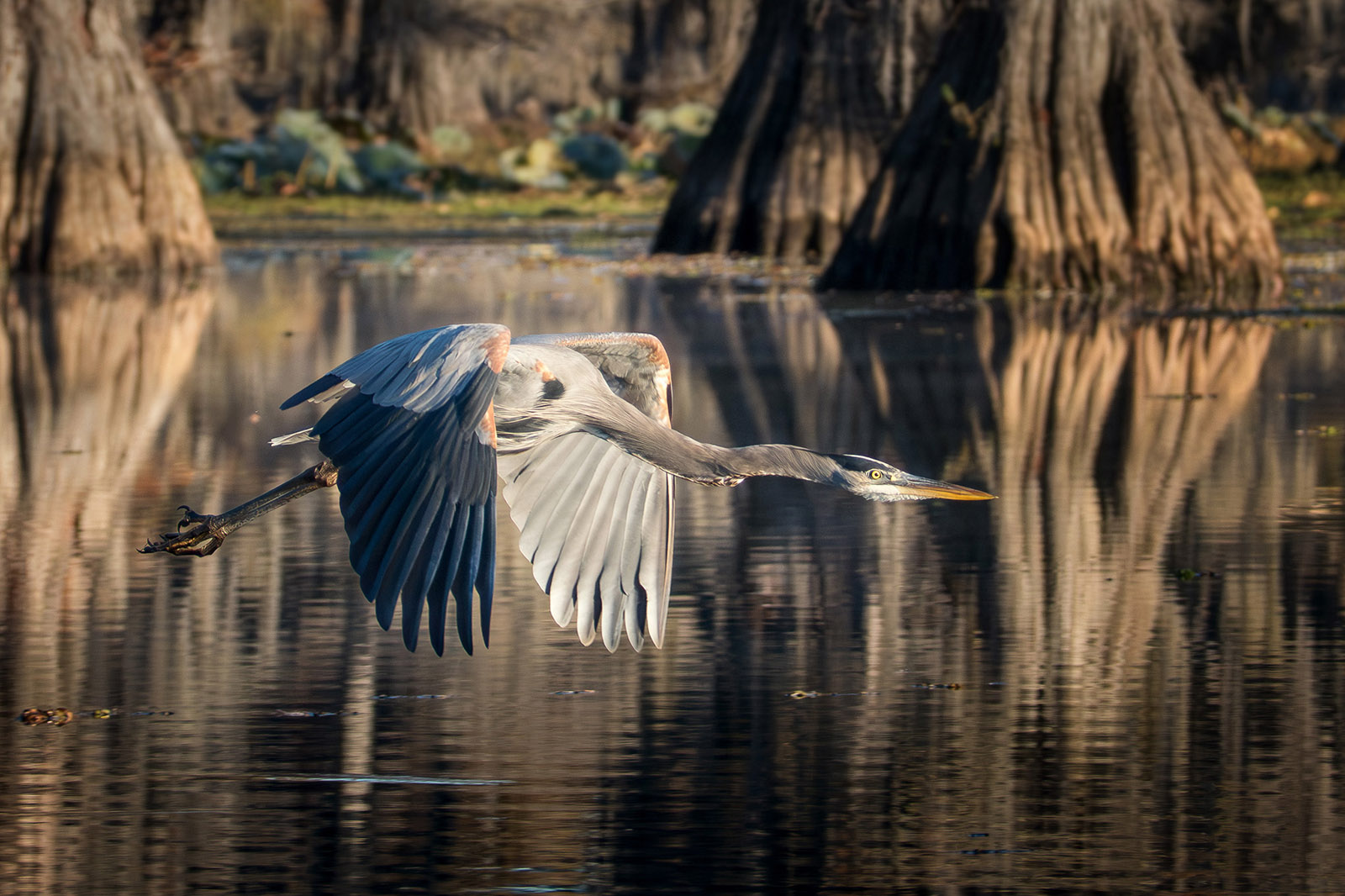
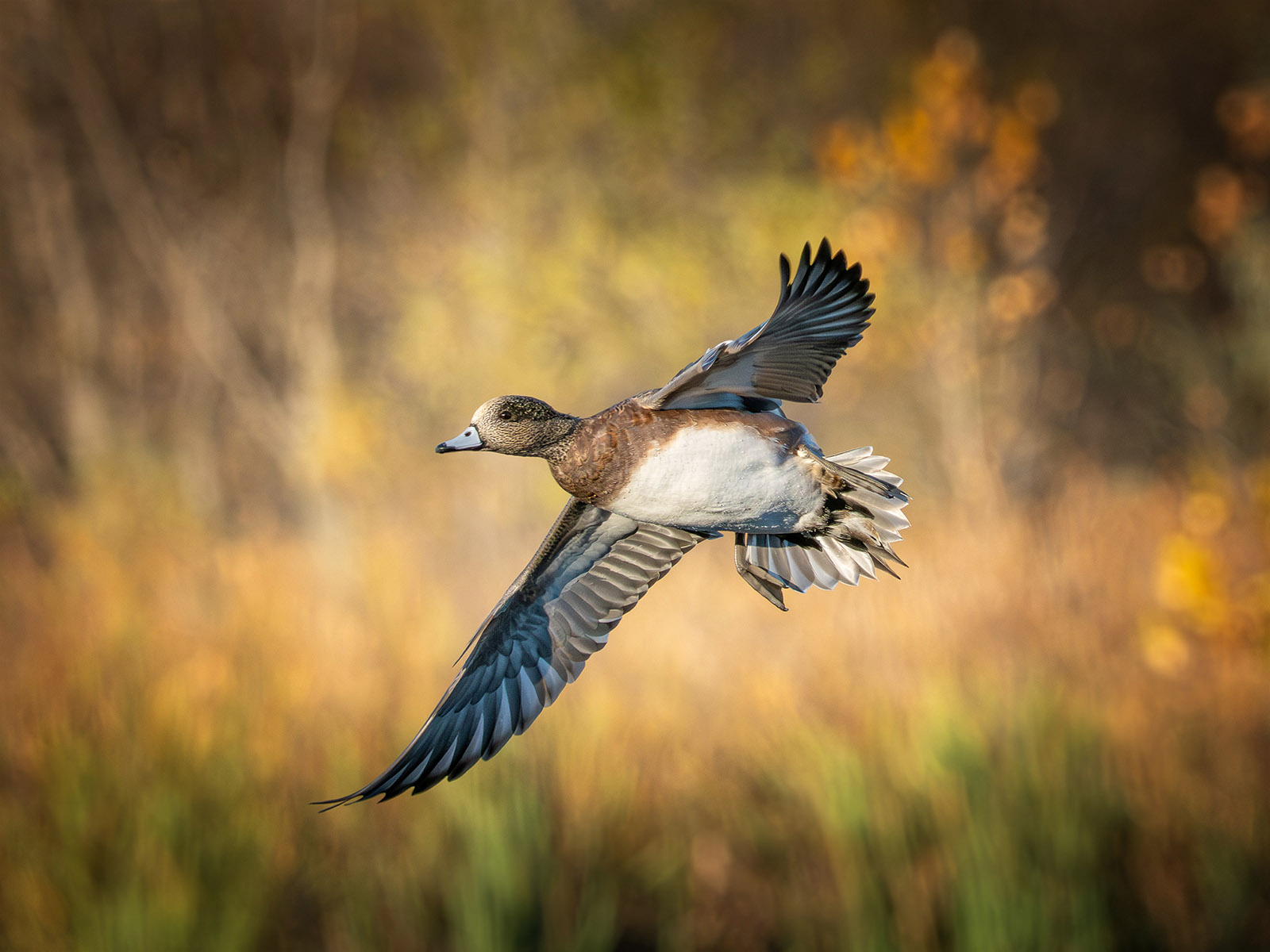
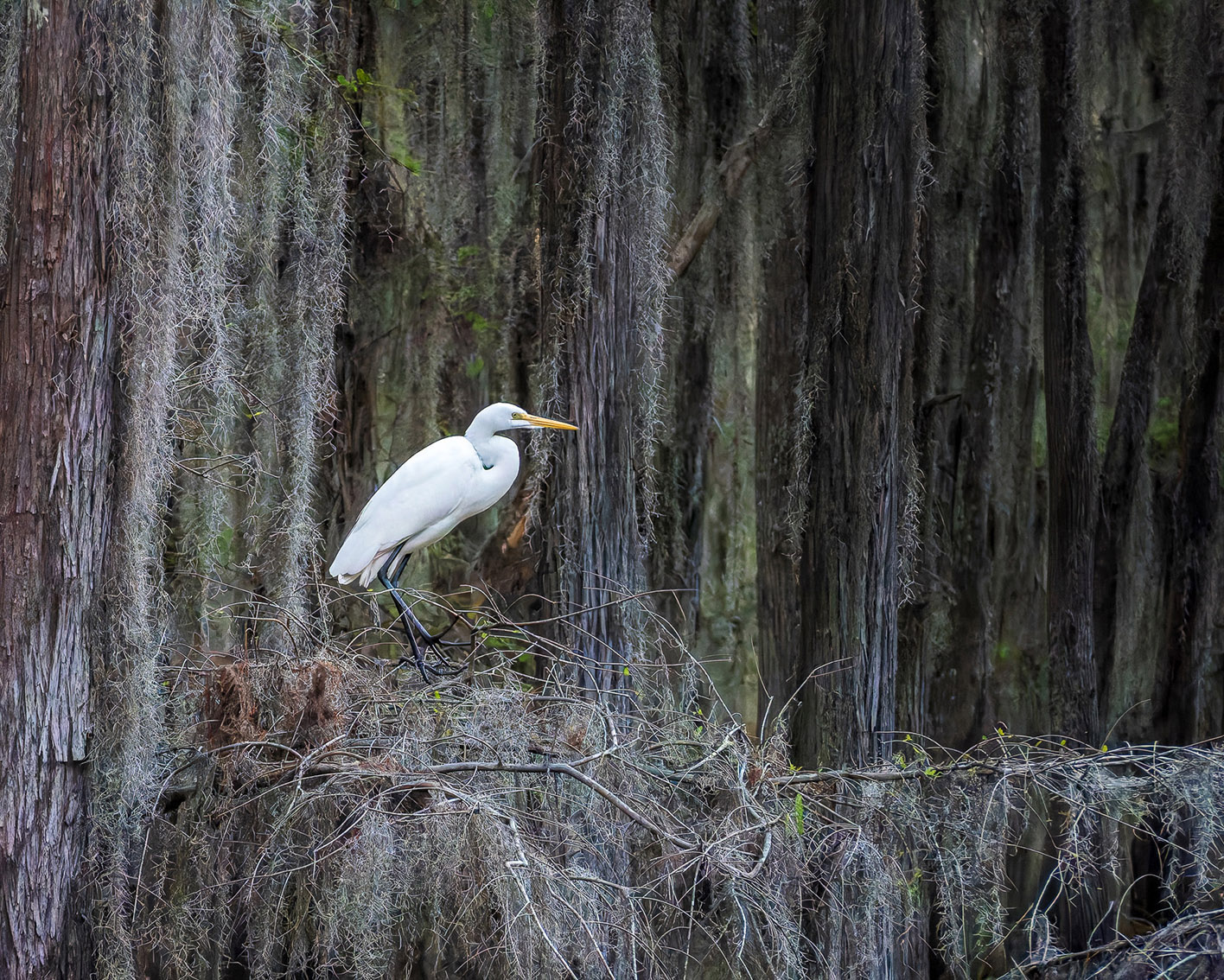
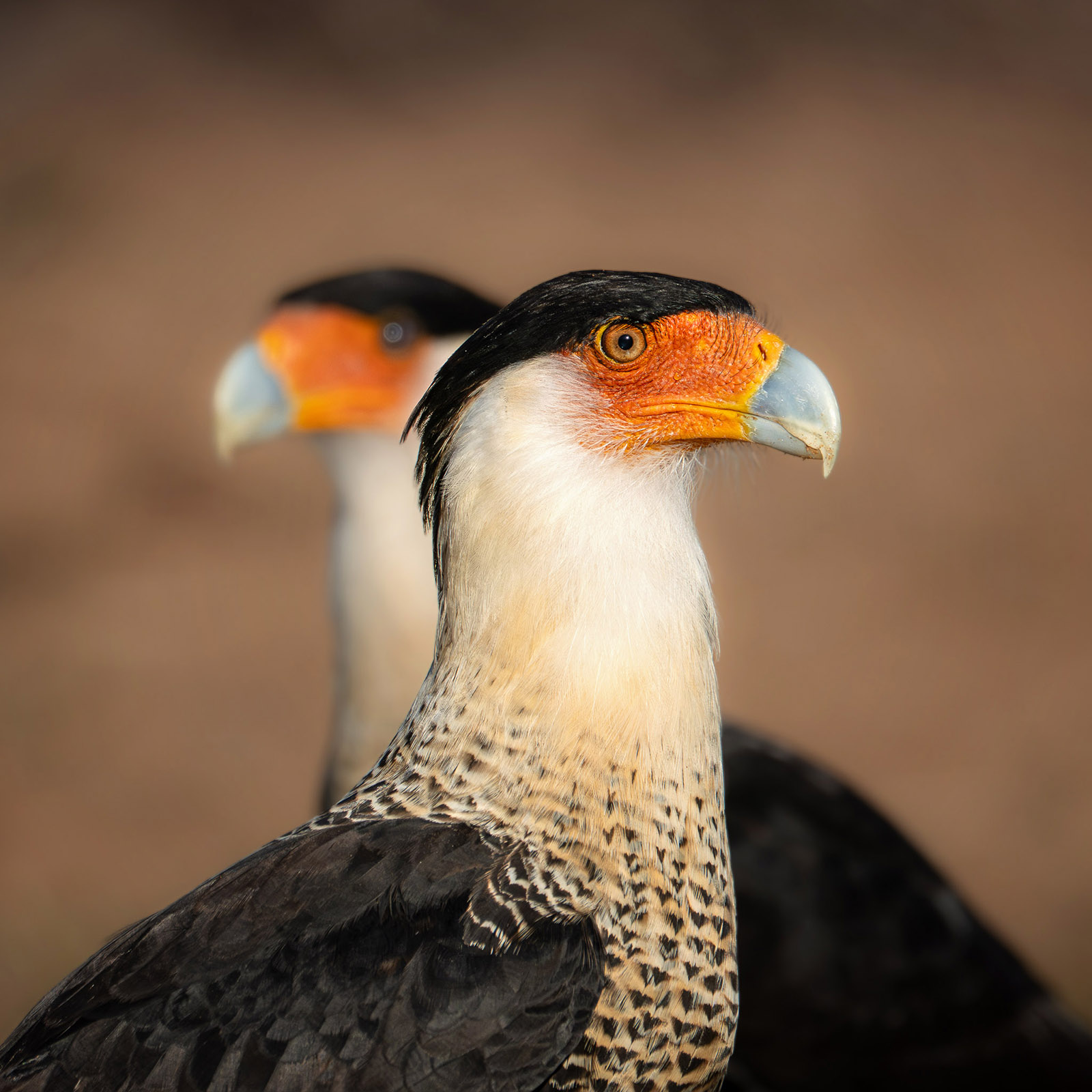
Here are some of the shots I got during those few days of testing – and in the susequent trip to Texas a few weeks later after I’d traded in all of my Fuji gear for a new OM-1 Mark ii and three new lenses (including the 100-400mm):
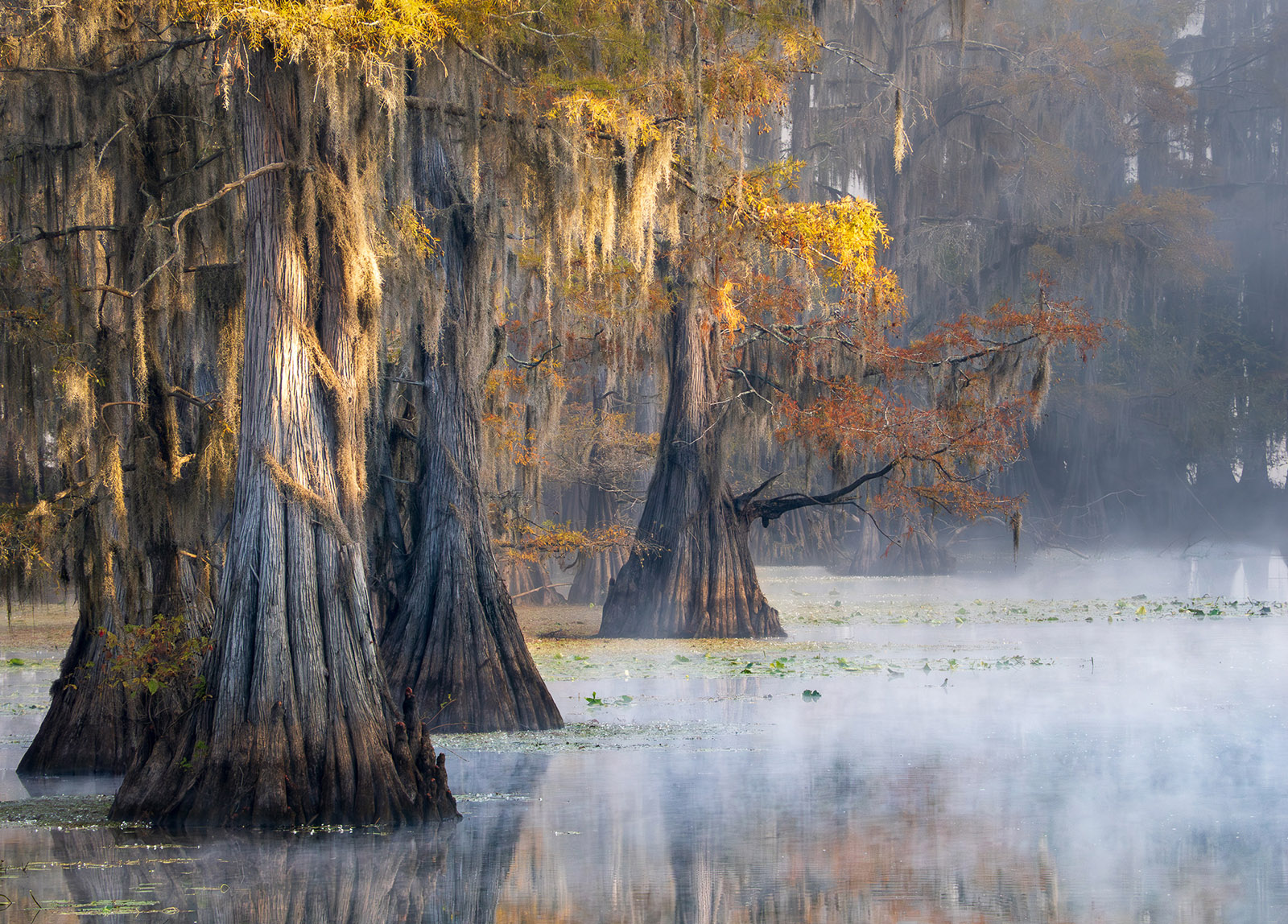
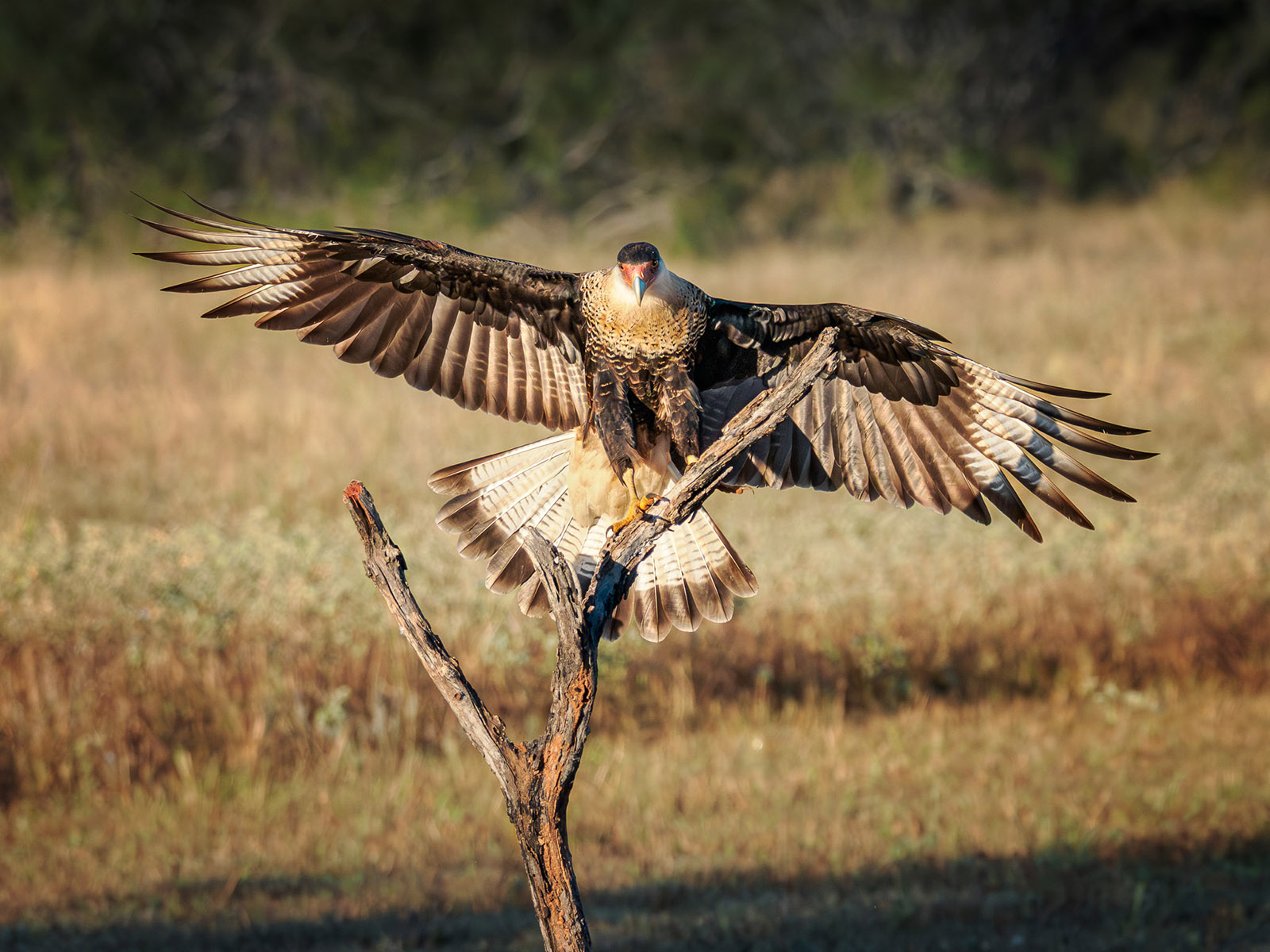
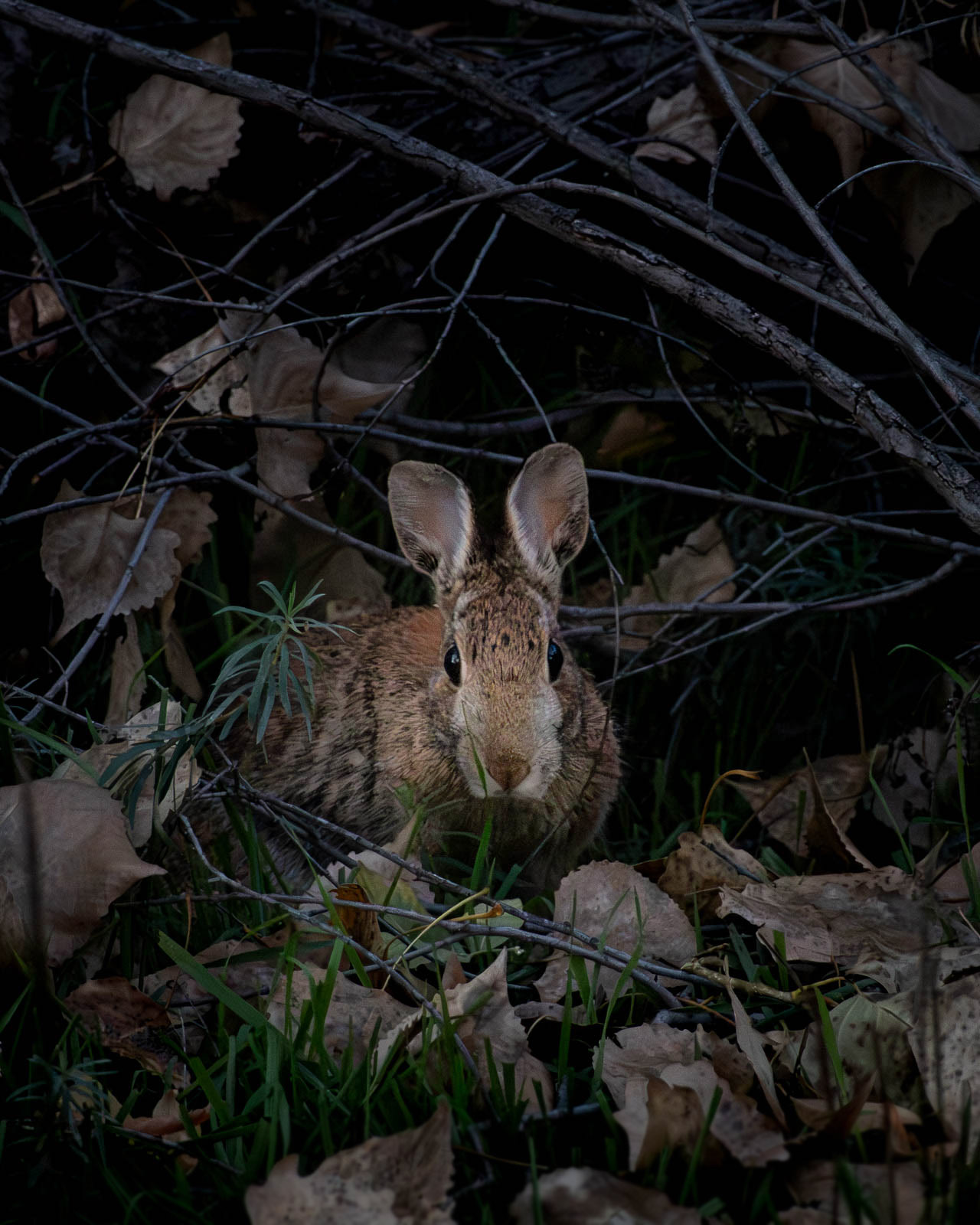
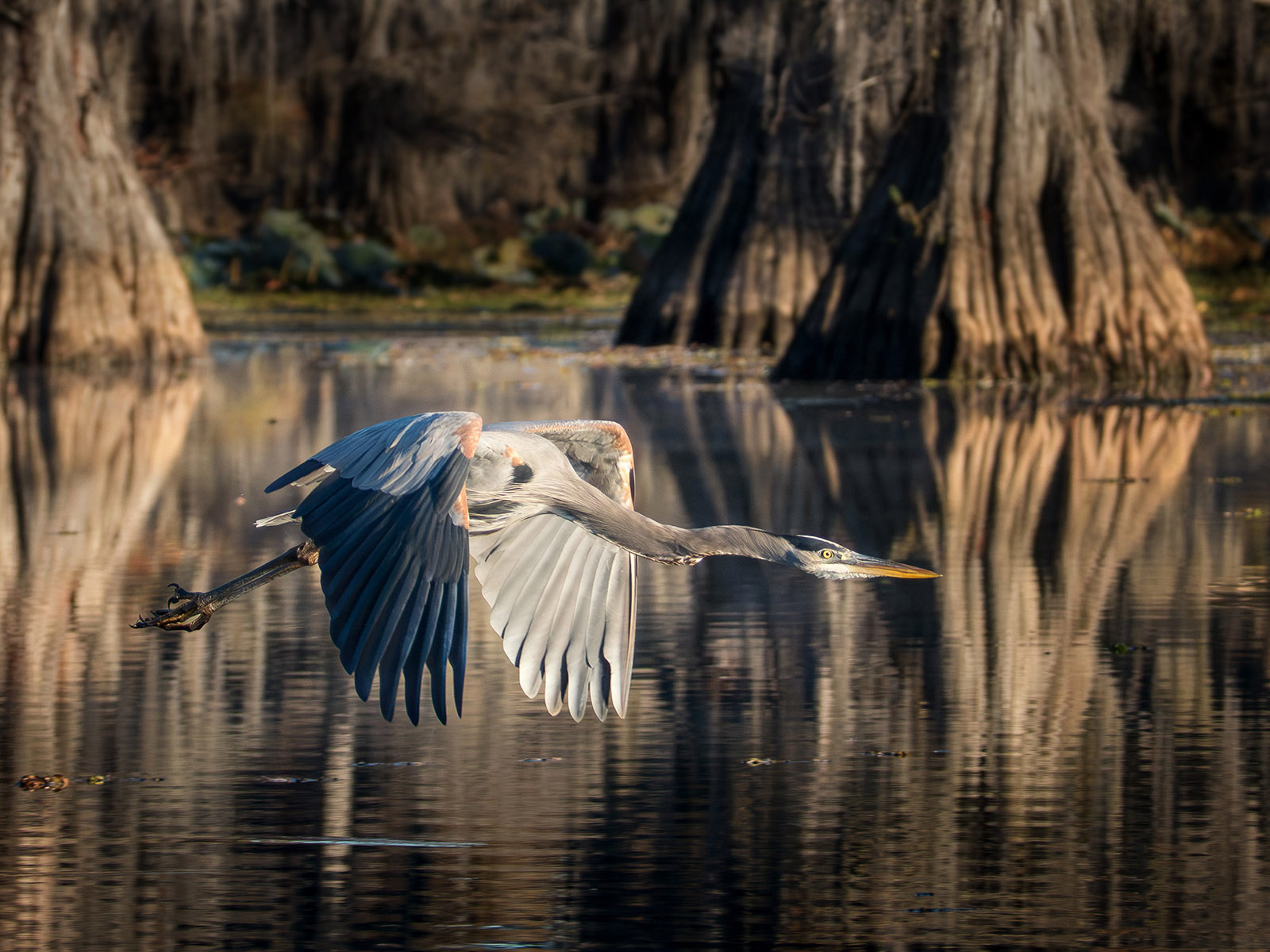
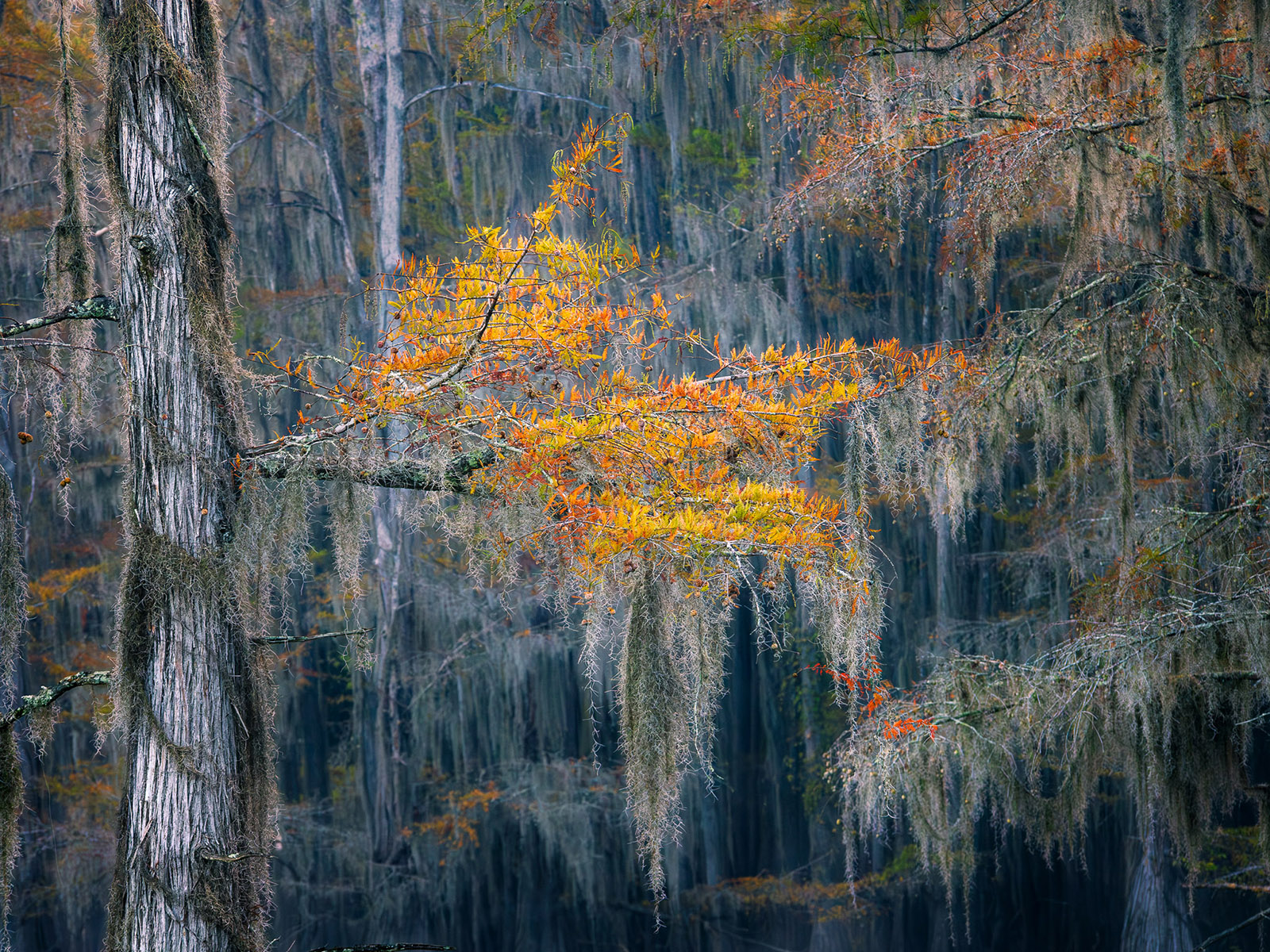
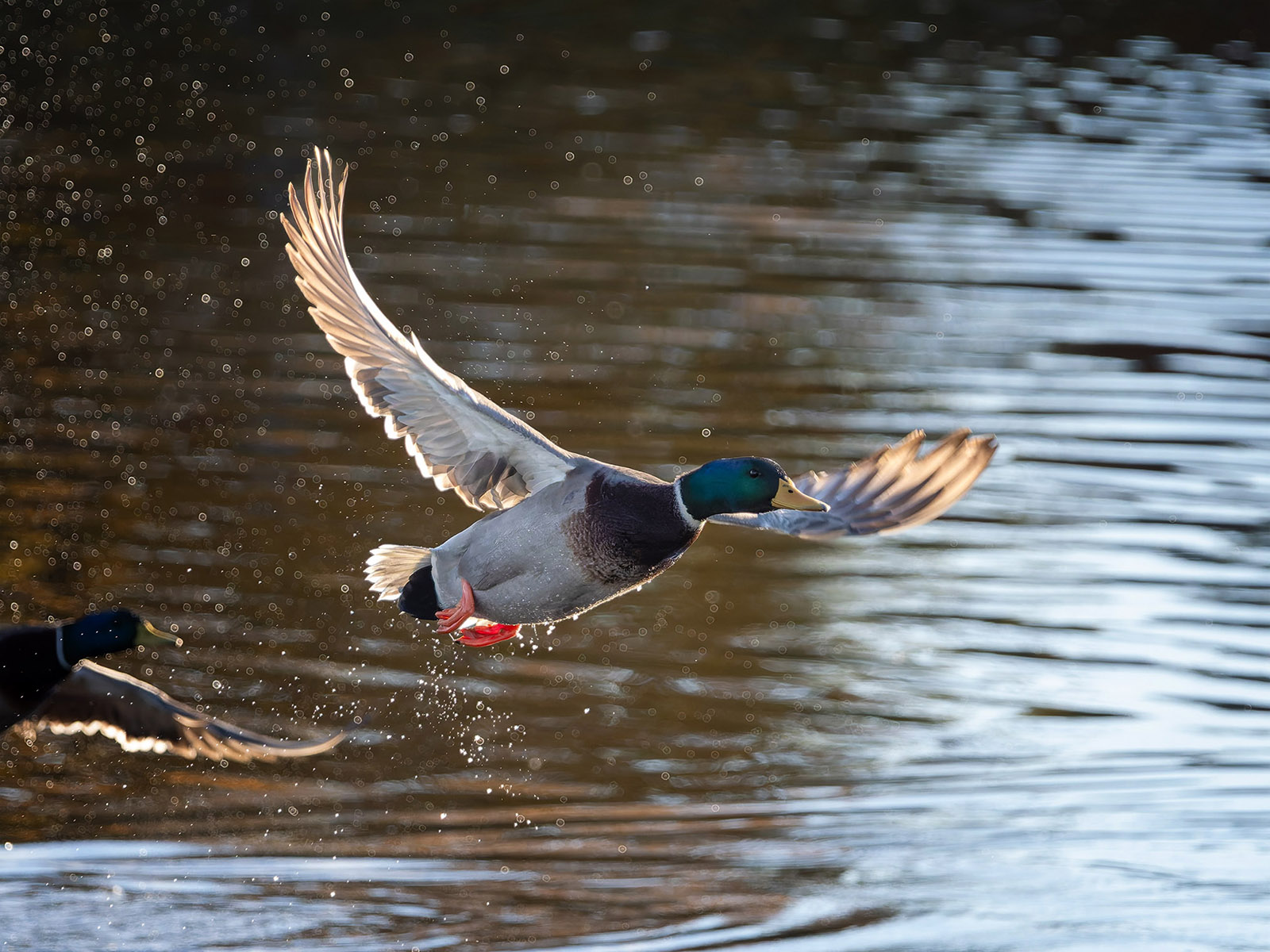
I’m so pleased with the new camera system. No regrets whatsoever about moving away from Fuji – there is so much about Fuji I love, but it’s not what I need at this point in my photography journey.
For me, this major switch wasn’t about specs or brand loyalty. It was about choosing a system that lets me stay out longer, shoot more confidently, and enjoy the work again.
I’m taking a bird photography workshop in Florida in March led by a group of OM System Ambassadors and plan to learn a lot. I can’t wait.